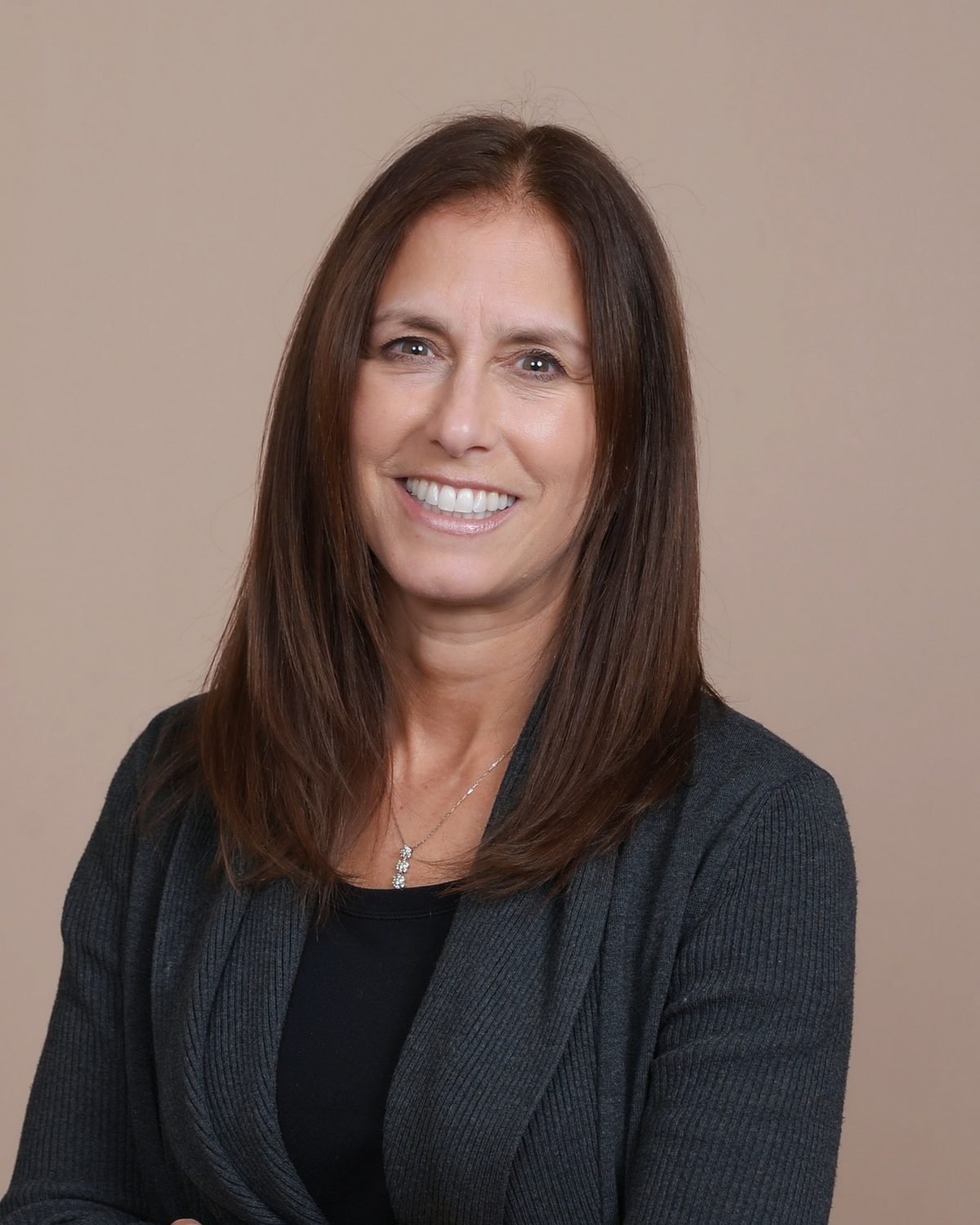
For most of her career, Jill Kaufman didn’t worry much about where her next client would come from. Facebook ads did the heavy lifting — a steady, dialed-in system that had taken years to build and, once running, mostly ran itself.
That was the problem. It was running, all right — just not for her.
The account that wasn’t hers anymore
Kaufman discovered the breach the way most business owners discover this kind of thing: not through a warning email or a security alert, but through the numbers. Her ad spend had ballooned to a level that made no sense against the campaigns she’d actually scheduled. Someone had gotten into her account and was running their own ads on her dime — tens of thousands of dollars’ worth before she caught it.
For a marketer, an ad account isn’t just a line item. It’s the client-acquisition engine. Losing control of it doesn’t just cost money in the moment; it threatens the mechanism that brings in every future dollar.
Rebuilding the machine
Kaufman didn’t have the luxury of treating this as an abstract problem to hand off and forget. Every day the account stayed compromised was a day her actual campaigns weren’t running — and a day closer to the account being flagged entirely, which would have meant starting years of ad history and platform trust from zero.
She locked down access, worked through Meta’s business support channels to reclaim the account, and rebuilt her campaign structure with tighter permissions than before. It cost time she didn’t have to spare and money that should have gone toward new client work instead.
What survives the breach
What stuck with Kaufman wasn’t the dollar figure — it was how invisible the whole thing had been until she went looking. A hacked ad account doesn’t announce itself. It quietly reroutes a business’s growth engine toward someone else’s ends, and the first sign is usually a bill.
These days, she treats her ad accounts the way she’d treat a storefront key: something to audit regularly, not something to assume is safe because it’s always been safe before. The clients she reaches through Facebook ads today are coming through campaigns she checks far more often than she used to — not because the platform got harder to trust, but because she learned, at cost, exactly what happens when nobody’s watching.